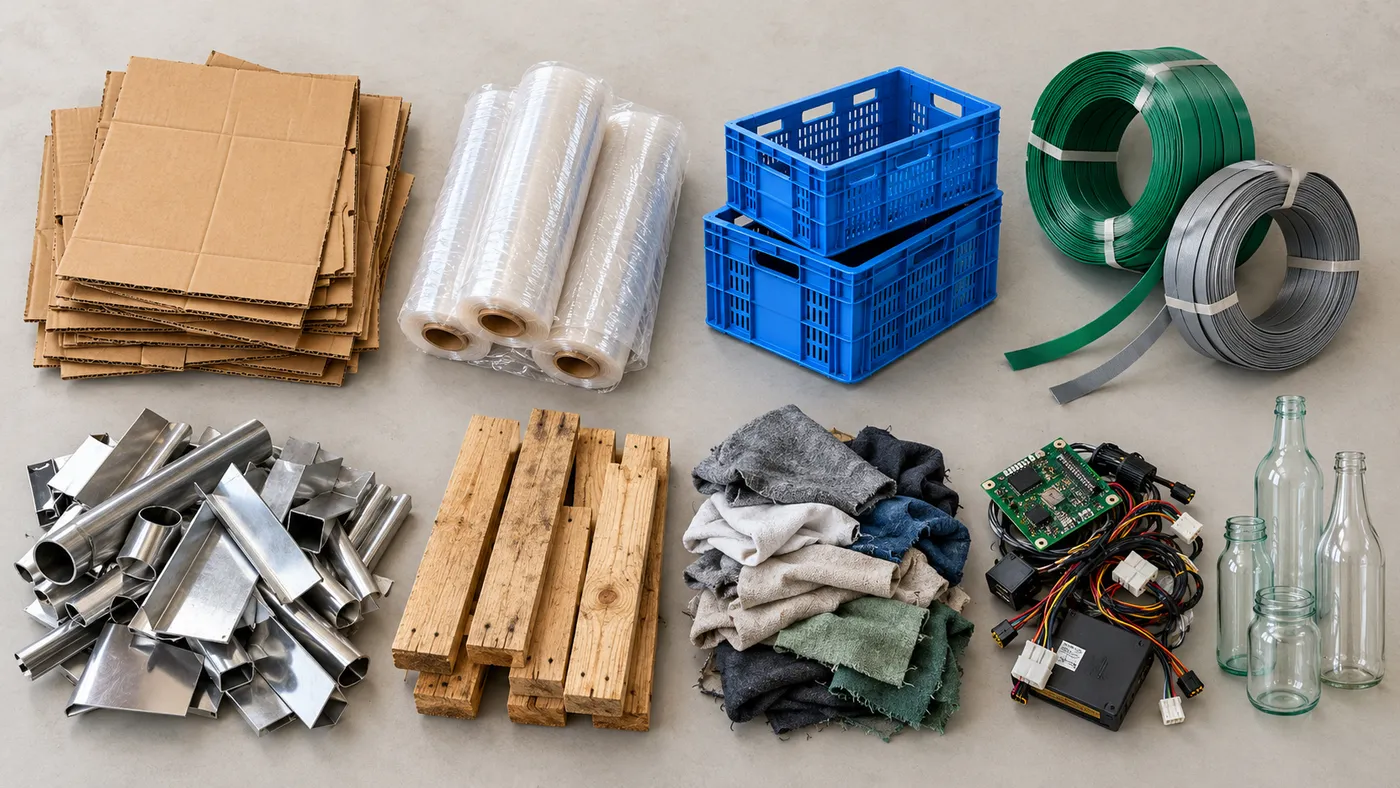
Operating a manufacturing plant, logistics hub, or distribution centre in the UAE involves managing high daily volumes of secondary packaging, production scrap, and end-of-life equipment. Without a dependable off-take system, these materials quickly congest warehouse floor space, tie up loading bays, and create operational bottlenecks. Establishing a reliable process for industrial waste recycling in Dubai helps plant managers, facility directors, and procurement teams clear staging areas, improve site efficiency, and meet corporate waste-reduction targets through documented recovery routes.
What Counts as Industrial Waste (and What This Guide Covers)
Industrial waste covers the by-products, production offcuts, discarded packaging, and damaged stock generated across manufacturing, logistics, and commercial operations.
This guide focuses on non-hazardous industrial waste: solid, dry materials generated during day-to-day operations that can be sorted, baled, shredded, or reprocessed.
Hazardous waste, such as chemicals, solvents, paints, industrial sludges, medical waste, and liquid effluents, requires specialised handling by dedicated, licensed hazardous waste operators. Those materials fall outside the scope of general commercial recycling and are not covered in this guide.
Industrial Materials That Can Be Recycled
Most dry manufacturing and logistics streams produce consistent quantities of recyclable material. Keeping each stream clean and separated is what makes recovery possible:
- Plastics (HDPE, LDPE film, PET, and crates): HDPE drums, buckets, and crates, LDPE shrink wrap and pallet stretch film, and PET containers can be sorted and returned to manufacturing supply chains as recycled material.
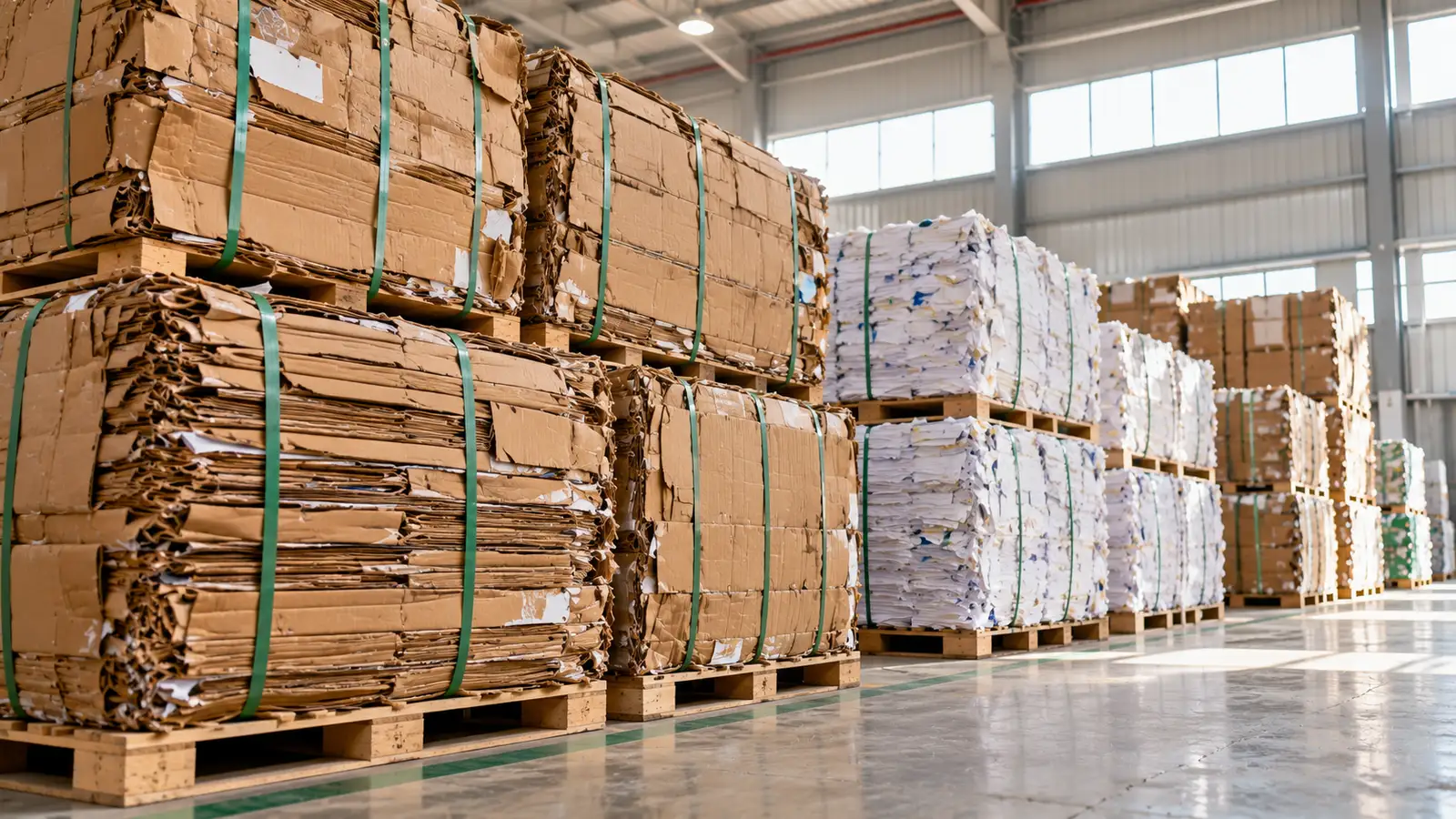
- Paper and corrugated cardboard: Transit packaging, corrugated cartons, sheets, and paper cores from warehousing and inbound logistics are among the most readily recoverable commercial materials when kept dry and clean.
- Ferrous and non-ferrous metal scrap: Steel offcuts, metal banding, aluminium profiles, brass fittings, copper wire, and turnings retain strong recovery value and can be reprocessed into new metal products.
- Wood and pallets: Broken, off-spec, or non-standard pallets, crating timber, dunnage, and clean wooden packing cases can be recovered and reprocessed instead of stockpiled in yards.
- Textiles and fabric scrap: Garment manufacturing cuttings, uniform offcuts, fabric rolls, and rejected fabric stock can be sorted by material type and reprocessed into new products.
- Rubber and leather offcuts: Non-hazardous production scrap from footwear, automotive trimming, conveyor belt maintenance, and gasket manufacturing can be recovered rather than sent to landfill.
- E-waste (IT hardware, scanners, panels): Obsolete servers, desktop units, handheld barcode scanners, circuit boards, and industrial control panels contain recoverable metals and plastics and need proper dismantling and recycling.
- Glass: Clean glass offcuts and uncontaminated glass containers can be recovered for reprocessing.
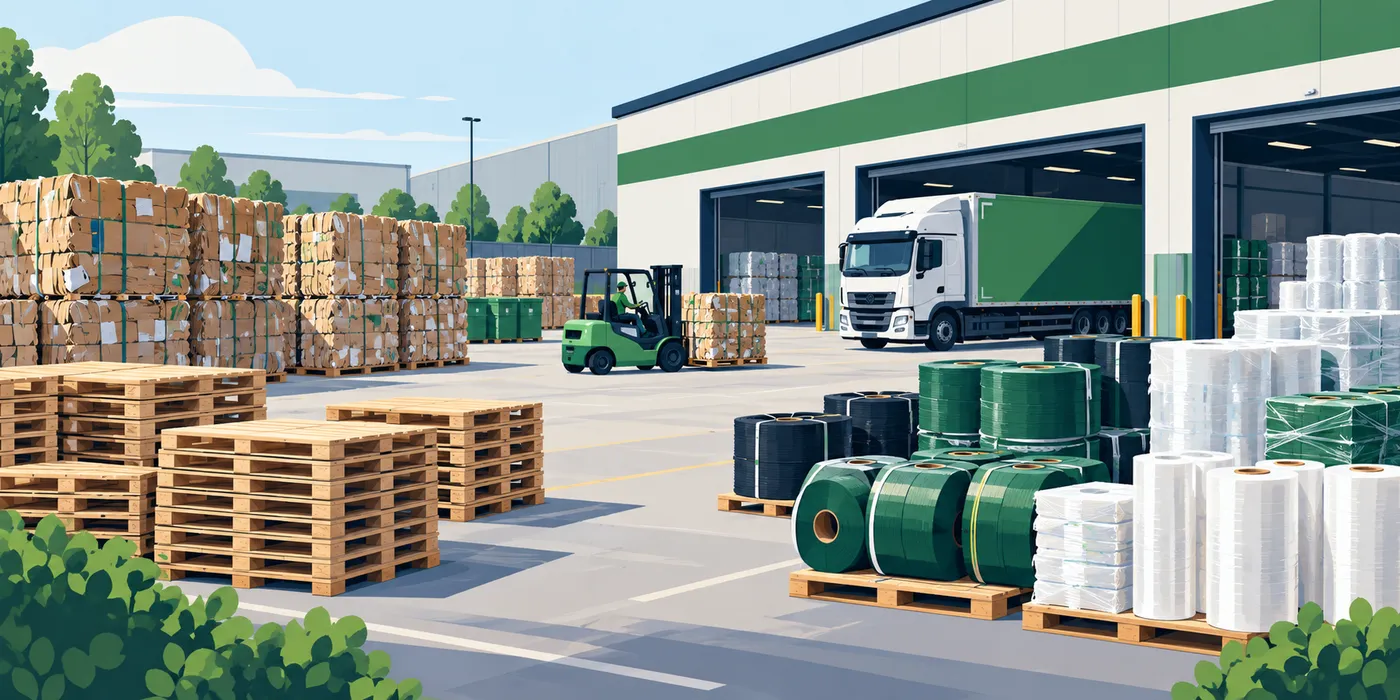
- PET and composite strapping: Heavy-duty strapping used to secure palletised loads is often thrown out with general waste because it is tough, tangles easily, and is difficult to handle. Ecocleaner brings 10+ years of composite and PET strap recycling experience and is one of very few companies in the region recycling this material stream.
How the Industrial Recycling Process Works
A structured recycling programme moves materials from the factory floor to recovery in clear stages:
- Assessment of materials and volumes: The process begins with an on-site review of the facility’s waste profile, covering material types, volumes, contamination risks, and storage space, to confirm what can be accepted.
- Segregation at source: Materials are separated where they are generated, such as packing lines, assembly areas, or loading docks. Colour-coded bins, roll-cages, and pallet boxes help prevent cross-contamination between recyclables and general waste.
- Scheduled collection: Collection frequency is planned around how quickly materials build up on site, so yards and bays stay clear.
- Processing and recovery: Collected materials are checked, sorted, and prepared for recycling according to their material type.
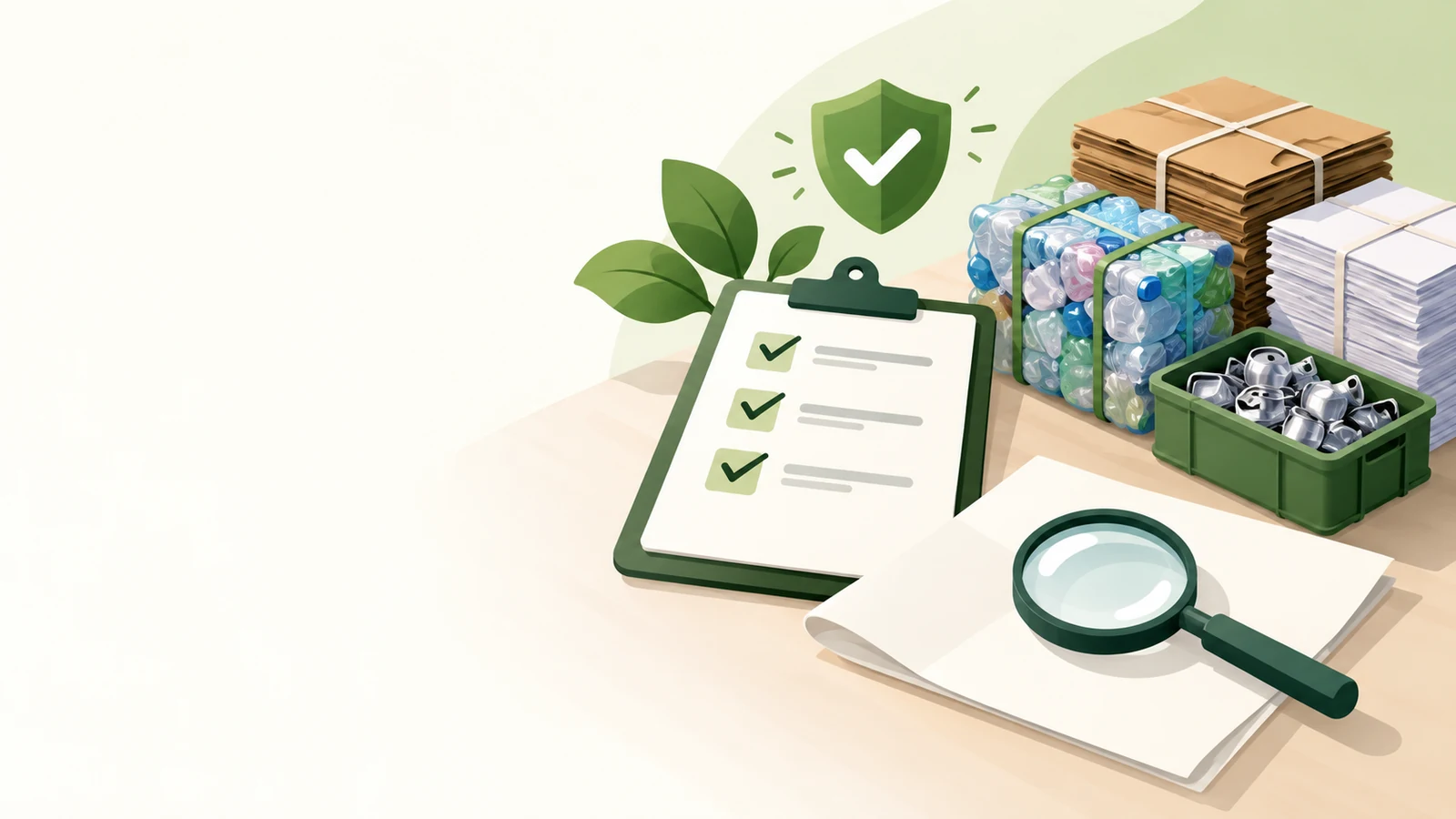
- Documentation: Record-keeping confirms that materials were handled responsibly. Certified documentation, such as a recycling certificate or green certificate, is issued as applicable to the service provided.
Recycling vs Secure Destruction: Which Does Your Waste Need?
Not every unwanted material can go straight into standard recycling. Plant and brand managers often need to decide whether off-spec or surplus inventory needs regular recycling or controlled destruction first.
Standard recycling is appropriate for generic materials such as plain cardboard, clean stretch film, unbranded pallets, and metal offcuts that carry no commercial risk if processed as ordinary recyclables.
Secure destruction is needed for:
- Branded and packaged goods: Obsolete consumer packaging, branded uniforms, promotional stock, or branded containers that could be misused or resold if salvaged.
- Rejected and off-spec stock: Production batches that failed quality checks and must be physically destroyed to prevent resale or misuse.
- Data-bearing equipment: Hard drives, storage devices, memory modules, and point-of-sale hardware containing confidential commercial or personal data.
After secure destruction, the remaining non-hazardous material is directed into recycling wherever feasible. Understanding the difference between a recycling certificate vs destruction certificate helps compliance and procurement teams make sure they hold the right documentation for each job.
What to Look for in an Industrial Recycling Partner
Choosing a partner for the recycling of industrial waste deserves careful checks to avoid compliance gaps and operational disruption:
- Dubai Municipality approval: Confirm the provider is approved by Dubai Municipality.
- Clear acceptance criteria: A professional operator explains which non-hazardous industrial waste items it accepts and how materials should be sorted.
- Verifiable documentation: Your partner should provide certified documentation issued as applicable to the service, giving audit and ESG teams reliable records.
- Ability to handle mixed streams: Industrial sites rarely produce a single material. Look for a partner that can manage plastics, metals, packaging, and strapping under one collection arrangement.
- Local presence: A partner close to your site makes scheduling and coordination easier. For more on evaluating providers, see our guide on how to choose a reliable recycling company in Dubai. Facilities in Dubai Industrial City can also read about our recycling services in DIC.
Streamline Your Industrial Recycling
Managing high-volume industrial and commercial waste needs an organised system, clear documentation, and a partner that collects dependably.
Ecocleaner Recycling LLC is a Dubai Municipality-approved recycling and secure destruction company based inside Dubai Industrial City (DIC), serving 50+ UAE enterprise clients. Ecocleaner accepts non-hazardous industrial and commercial recyclable materials, subject to assessment and acceptance. Whether your facility needs routine collection, scrap recovery, or secure product, brand, or data destruction, collection schedules are planned around your site and operations.
Explore our recycling and destruction services to see how a professional recycling company in Dubai can support your facility.
Ready to improve material handling across your plant or warehouse? Contact Ecocleaner to arrange an on-site assessment of your non-hazardous waste streams.