For facility managers, procurement specialists, and compliance officers across Dubai, managing commercial and industrial non-hazardous waste is an ongoing operational responsibility. Whether the material is obsolete equipment, excess packaging, paper archives, or damaged inventory, most organisations rely on an external provider for collection and processing.
When comparing providers, businesses often see the phrase “Dubai Municipality approved”. Understanding what that phrase does and does not tell you makes it easier to shortlist Dubai Municipality approved recycling companies with confidence, keep accurate records, and support internal sustainability targets. This guide also covers what to ask any recycling company in Dubai before you commit.
What “Dubai Municipality Approved” Means for a Business Hiring a Recycler
In simple terms, a Dubai Municipality-approved recycling company is one that has received approval from Dubai Municipality for its recycling activities. For a business hiring a vendor, that approval is a useful starting point when comparing options, because it shows the company is recognised by the local authority rather than operating informally.
Approval is not the whole picture, though. The scope of approval can differ from one company to another, so it is worth confirming which activities and materials a provider’s approval covers, and whether those match what your site actually produces.
If your procurement or compliance team needs to verify a provider’s status, a sensible first step is to ask the company directly for its approval details. If needed, you can also confirm them with Dubai Municipality. For more on this, read what Dubai Municipality approval means for a recycling company.
Why Approval Matters for Compliance and Audit Records
For many organisations, waste management is linked to governance, quality systems, and external audits, not just housekeeping. Working with an approved provider can support your records in a few practical ways.
Audit and governance reviews: Annual audits and internal compliance checks often look at how a business handles surplus stock, retired assets, and general non-hazardous waste. Being able to name an approved provider and show the paperwork issued for each job makes those conversations simpler.
Duty of care: A business remains responsible for the materials it generates. Handing materials to informal or unverified operators can create avoidable risk, including improper dumping or unplanned resale of items that should not re-enter the market.
Asset write-offs and closing records: When equipment or inventory is retired, finance and compliance teams usually need evidence that the items were handed over and processed. The documentation a provider issues depends on the service, so confirm in advance what you will receive.
Questions a Business May Want to Ask Any Recycling Company
Not every provider handles every material or works in the same way. Before choosing, your team may want to ask:
- Scope of approval: What activities and materials does the provider’s approval cover?
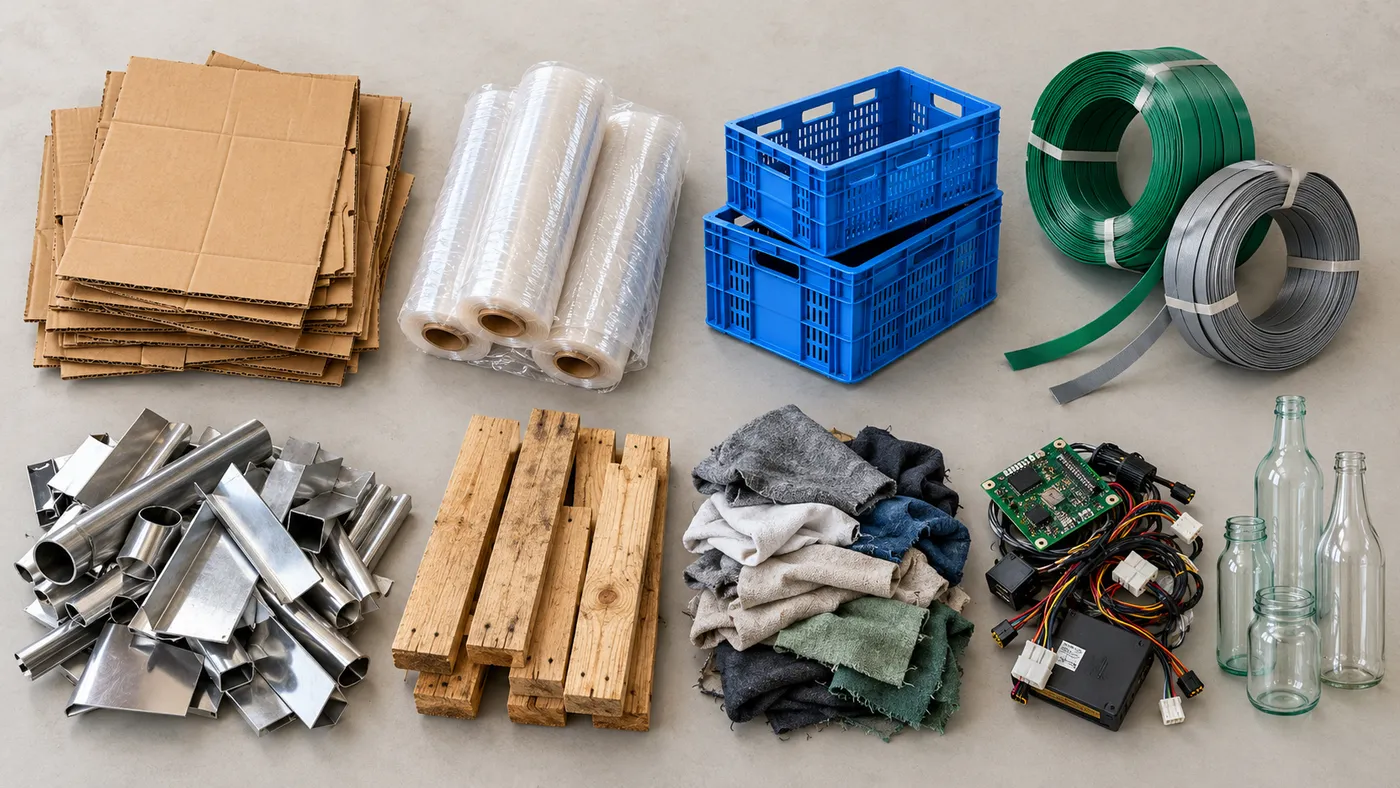
- Accepted materials: Which non-hazardous materials does the company accept, such as cardboard, plastics, metal scrap, paper, or e-waste?
- Mixed streams: Can mixed non-hazardous materials be collected together, or do they need to be separated before pickup?
- Collection arrangements: How are collections scheduled, and are regular and one-off pickups both possible?
- Documentation: What paperwork is provided after a job, and does it depend on whether the service is recycling or destruction?
- Destruction needs: If some items must be destroyed rather than recycled, can the company handle that as well?
For a wider checklist, see our guide on how to choose a reliable recycling company in Dubai. Asking these questions early helps avoid delays and gaps in your internal reporting.
Recycling vs Secure Destruction: Knowing Which Service You Need
Before booking a collection, it is worth deciding whether the material needs standard recycling or secure destruction.
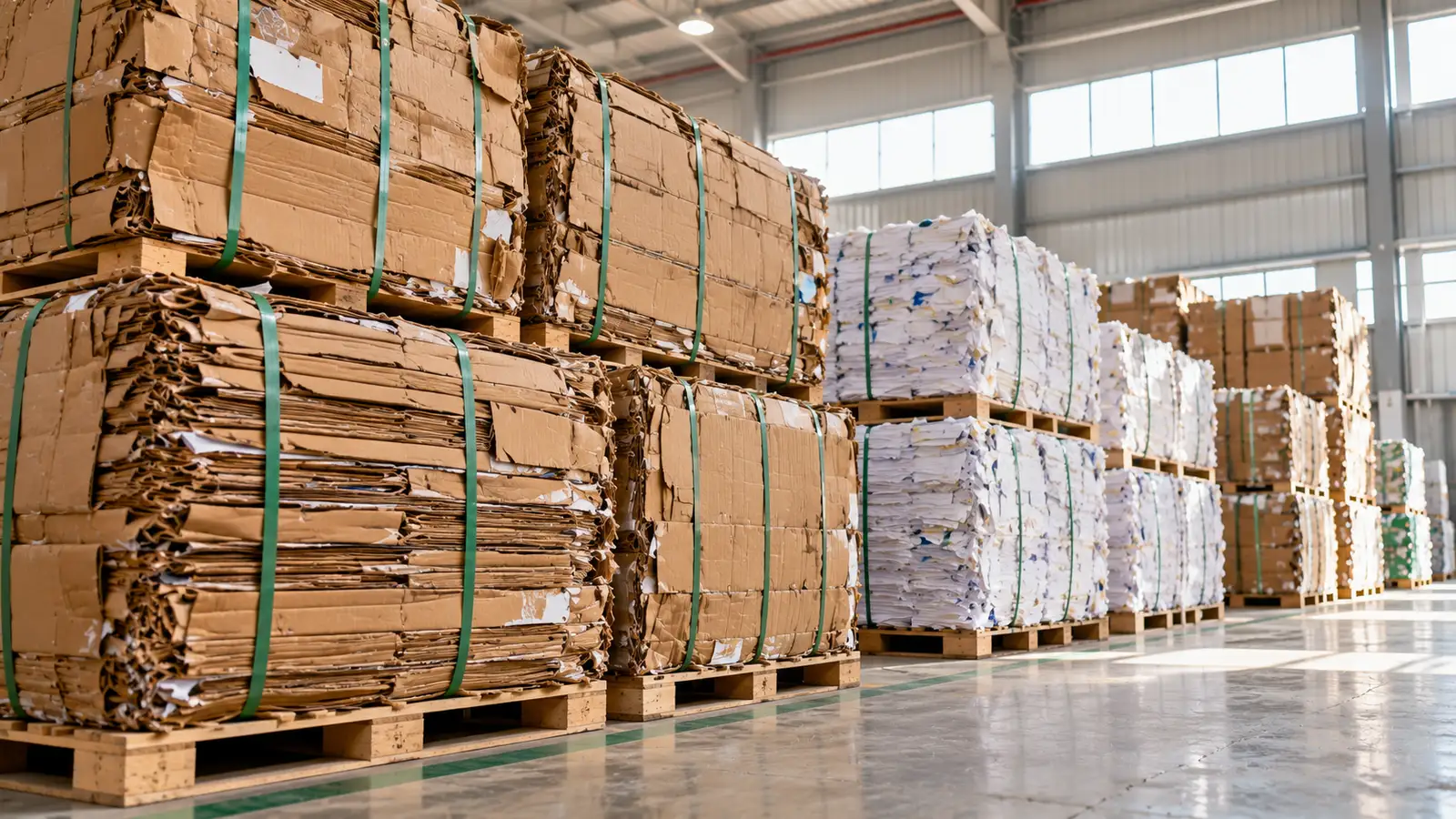
Standard recycling is suited to generic materials such as clean cardboard, plain paper, stretch film, and metal offcuts. The goal is to recover the material so it can return to the manufacturing supply chain.
Secure destruction is for items that should not be reused, resold, or recovered intact. Typical examples include:
- Branded and packaged goods: Branded uniforms, promotional stock, and packaging that could be misused if salvaged.
- Rejected and off-spec stock: Batches that failed quality checks and must not reach the market.
- Data-bearing equipment: Hard drives, storage devices, and hardware that may hold confidential information.
Because the two services are documented differently, it helps to understand the difference between a recycling certificate vs destruction certificate before you decide which one your compliance team needs.
About Ecocleaner
Ecocleaner Recycling LLC is a Dubai Municipality-approved recycling and secure destruction company based inside Dubai Industrial City, serving 50+ UAE clients. A recycling or destruction certificate is issued as applicable to the service. Facilities in the area can also read about our recycling services in DIC.
Explore our recycling and destruction services, or contact Ecocleaner to discuss your facility’s non-hazardous recycling or destruction requirements.