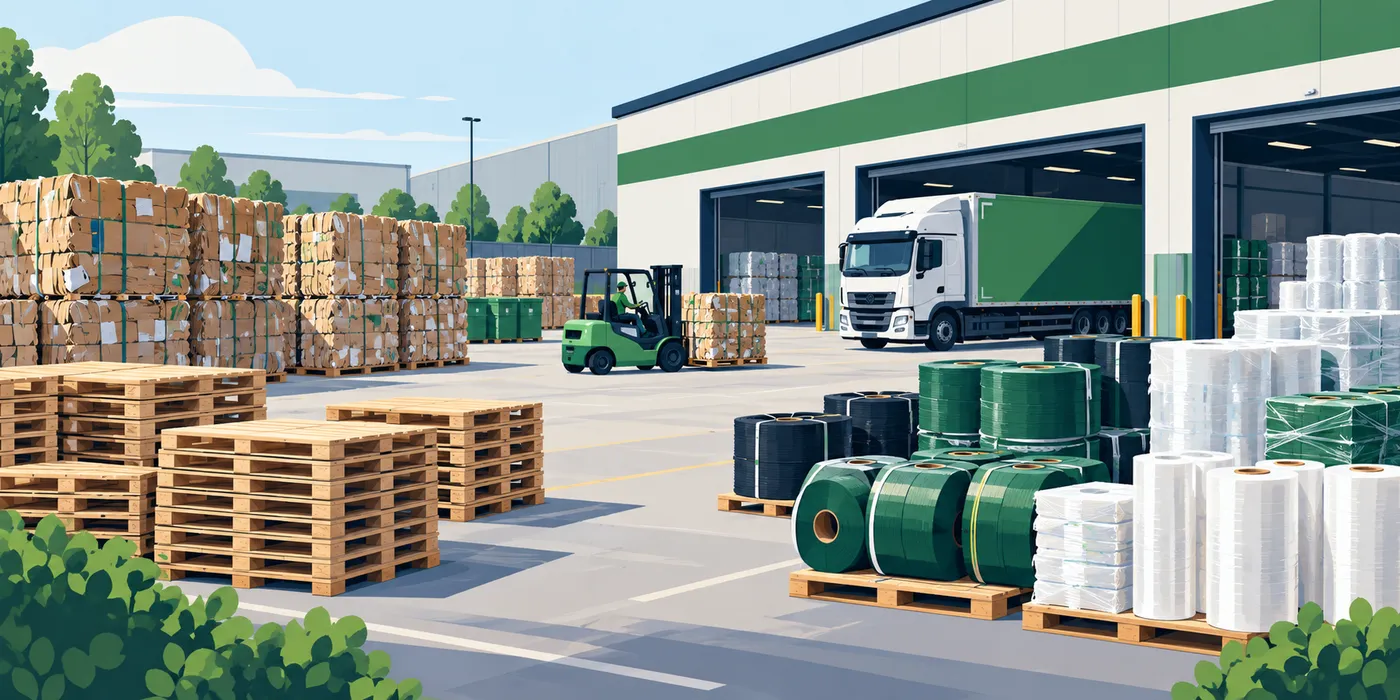
Every distribution center, 3PL hub, and freight depot in Dubai Industrial City (DIC) operates on tight turnaround schedules. Inbound containers arrive, outbound consignments leave, and intermediate staging areas must stay clear to maintain safe, efficient throughput. Yet the very activities that keep goods moving generate an ongoing, high-volume byproduct: commercial packaging waste. When de-vanning, sorting, and cross-docking activities accelerate, discarded materials can accumulate across sorting floors, staging lanes, and loading aprons. Letting these secondary packaging items pile up restricts dock maneuverability, clutters yard access, and creates avoidable bottlenecks during peak loading shifts. Implementing dedicated recycling services in DIC enables operations managers and warehouse supervisors to keep facilities orderly, compliant, and operating at designed capacity.
The Core Waste Streams Generated by Logistics and Freight Facilities
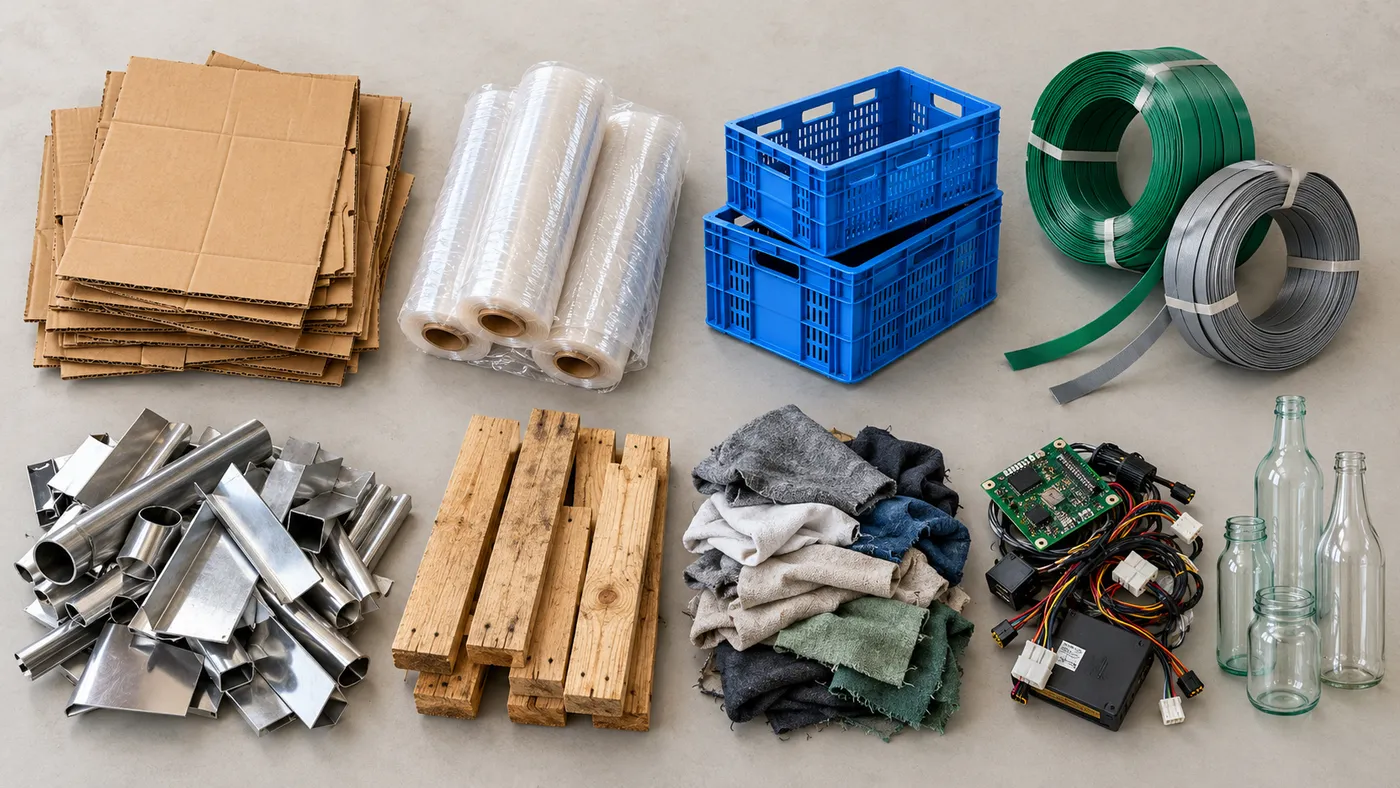
Logistics facilities handle thousands of stock keeping units daily, each protected by layers of primary, secondary, and tertiary packaging. Unlike light manufacturing operations that produce uniform scrap during assembly, freight forwarders and fulfillment hubs generate a diverse mix of packaging items:
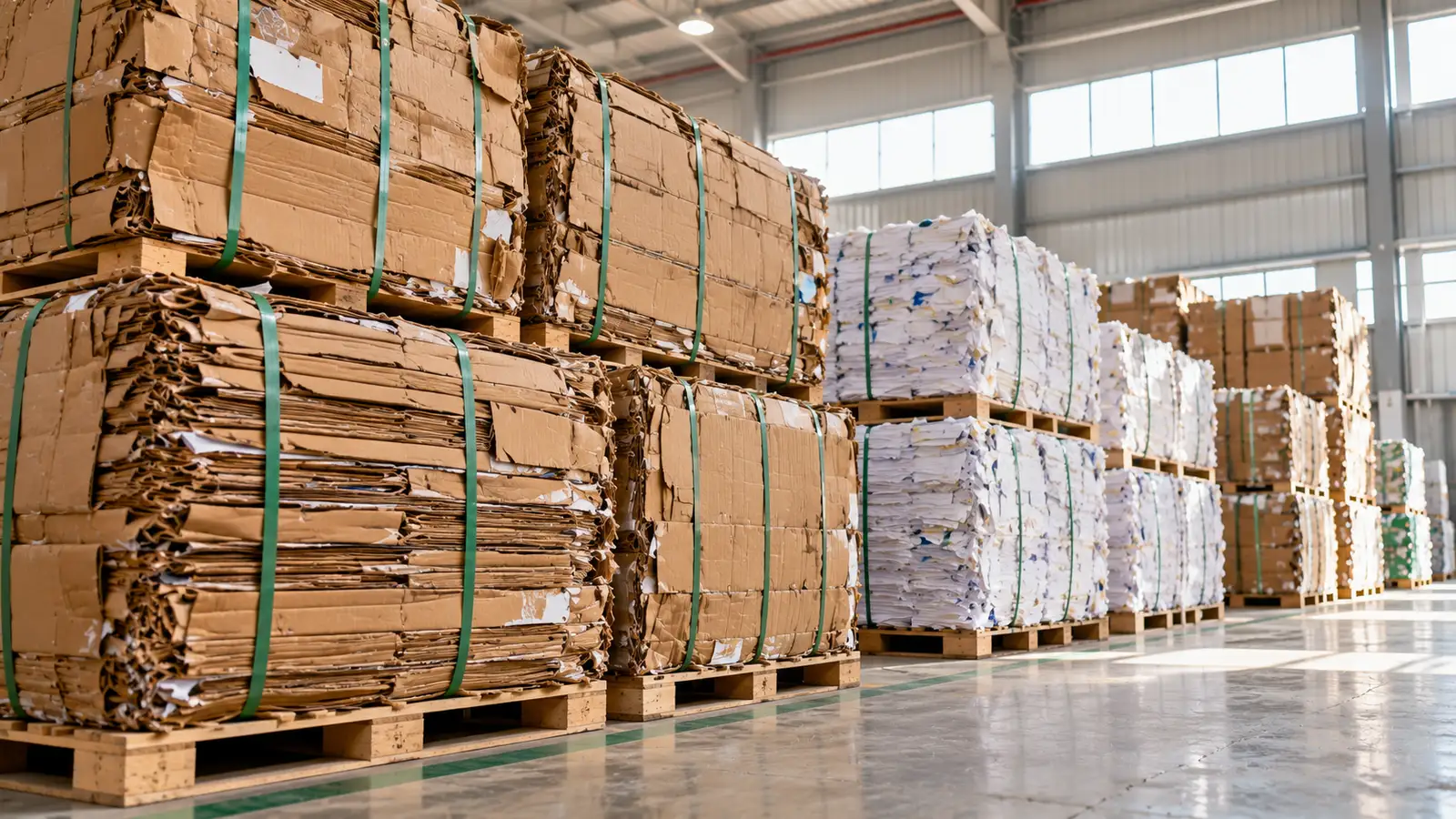
- Cardboard and corrugated packaging: Outer cartons, master cases, and edge protectors are unpacked constantly during picking, repacking, and order consolidation. Corrugated boxes take up significant warehouse volume if left unsegregated.
- Plastic stretch film and wraps: Clear low-density polyethylene (LDPE) shrink wrap and pallet hoods are stripped off palletized consignments immediately upon de-stuffing. These films are voluminous, lightweight, and prone to blowing across outdoor storage yards if not collected routinely.
- PET and composite strapping: Heavy pallets of industrial equipment, building materials, and bulk cartons rely on rigid plastic strapping to prevent shifting during transit. Once cut at the receiving bay, discarded lengths of strapping tangle easily around forklift wheels and floor sweepers.
- Wooden pallets and dunnage: Damaged, non-standard, or unreturned wooden pallets accumulate rapidly on staging docks. Broken skids and discarded dunnage consume floor space and create tripping hazards when left near transit corridors.
- Metal banding and offcuts: High-tensile steel strapping and banding clips cut from heavy freight, machinery crates, or structural pallets present sharp edges that demand prompt, organized collection.
- E-waste from operational equipment: Beyond packaging, logistics hubs routinely replace end-of-life hand-held barcode scanners, label printers, broken mobile computing terminals, scales, and office IT infrastructure.
Strapping and Pallet Waste: The Overlooked Streams
Strapping and pallet dunnage are often the most overlooked items in a freight terminal. Cardboard is easy to see and stack, while cut strapping and broken skids can easily be left wherever they fall. PET and composite strapping is built to hold heavy loads in transit, so cut lengths are tough and tangle easily. Ecocleaner has over 10 years of composite and PET strap recycling experience and is one of very few companies in the region doing this. Collecting strapping alongside wooden skids and dunnage helps keep staging lanes clear without adding work for your floor team.
The Proximity Advantage: Partnering with a Recycler Based Inside DIC
For logistics hubs operating within Dubai Industrial City, geography plays a decisive role in vendor coordination. Coordinating collections across emirates or relying on haulers operating from northern industrial corridors often introduces scheduling friction, delayed pick-ups, and unnecessary road transport.
Ecocleaner is physically based directly inside Dubai Industrial City. Working with an on-site neighbor delivers distinct logistical benefits:
- Elimination of cross-city hauling: Because your recycling partner is located inside the zone, collection transport routes are short and direct, reducing the transit friction associated with city-wide logistics.
- Coordinated yard turnarounds: Local access makes it easier to schedule yard clearances around shipment spikes, so storage yards are less likely to overflow.
- Direct communication and coordination: Operating in the same commercial district means operational supervisors and procurement leads can liaise directly with a partner that understands the daily traffic flows, operational cadences, and working hours of DIC.
What to Expect from a Professional Recycling Partnership
An effective commercial recycling program must adapt to your warehouse’s operational rhythm rather than disrupt it. Sourcing a dedicated partner involves a structured, step-by-step engagement model:
- On-site operational assessment: An on-site assessment looks at your material types, volumes and dock layout so sorting and collection can be planned around how your facility actually works.
- Collection schedules aligned with shipment cycles: Freight volumes fluctuate based on vessel arrivals, flight schedules, and seasonal fulfillment demands. Pick-up frequency can be aligned directly with your inbound de-vanning cycles to help clear materials before they restrict dock access.
- Certified documentation: A professional operation requires verifiable accountability. Ecocleaner is a Dubai Municipality-approved recycling and secure destruction company serving over 50 UAE enterprise clients. Certified documentation is issued as applicable to the service, supporting your audit and compliance records.
Optimize Your Facility’s Packaging Clearance
Maintaining an organized, efficient warehouse floor starts with a predictable system for managing packaging waste. Ecocleaner Recycling LLC combines neighborhood proximity within Dubai Industrial City with decade-long processing experience to help logistics, freight, and distribution operators keep their facilities operating smoothly.
Contact Ecocleaner today to schedule an on-site recycling assessment for your DIC warehouse or logistics center.