
For many corporate executives and business owners, commercial waste handling has historically been viewed as a peripheral operational cost — a routine administrative chore or a nice-to-have corporate social responsibility initiative. In today’s closely monitored commercial environment, however, this perspective is outdated. How an enterprise handles its surplus materials, decommissioned hardware, and industrial packaging is increasingly visible to corporate clients, supply chain partners, regulatory bodies, and internal stakeholders. In an era defined by stringent corporate governance and heightened transparency, commercial waste disposal in Dubai has evolved into a strategic brand protection and risk-management issue. Moving beyond simple compliance checklists, establishing structured waste recovery protocols directly safeguards your organization’s market reputation, protects commercial relationships, and strengthens long-term business value.
Why Waste Handling Is a Brand Issue, Not Just an Environmental One
A company’s reputation takes years to build but can be compromised quickly by preventable operational oversights. Discarded corporate assets rarely remain invisible. Whether it is branded packaging ending up in unregulated dumping sites, decommissioned IT assets leaving proprietary data vulnerable, or uniform scraps entering secondary markets, improper waste management creates direct reputational exposure.
Modern B2B clients, multinational partners, and institutional investors increasingly scrutinize the operational integrity of their vendor networks. They expect transparent, ethically managed operations at every stage of the supply chain. Demonstrating responsible waste stewardship reassures stakeholders that your organization operates with rigor, diligence, and accountability. Treating waste management as a core operational risk rather than an afterthought ensures your brand remains protected from public scrutiny and vendor-related controversies.
The Real Cost of Getting It Wrong
Failing to implement a structured, compliant approach to commercial waste can generate tangible business costs across several key areas:
- Regulatory Exposure: Non-compliance with municipal waste guidelines can result in official inquiries, potential operational disruptions, and administrative penalties from municipal authorities.
- Loss of Commercial Opportunities: Tier-one corporate clients and multinational corporations routinely exclude vendors who cannot provide transparent proof of sustainable operations or responsible disposal practices.
- Reputational and Data Vulnerabilities: Handing over sensitive physical records or obsolete IT storage to unverified waste collectors can lead to critical data leaks, compromised customer privacy, and severe damage to customer goodwill.
- Operational Inefficiencies: Managing waste through disjointed, ad-hoc methods often results in unoptimized logistics expenses, cluttered facility floors, and lost opportunities for material recovery.
Viewing waste management through the lens of risk mitigation helps decision-makers identify and address operational vulnerabilities before they affect commercial viability.
The Business Case for Doing It Right
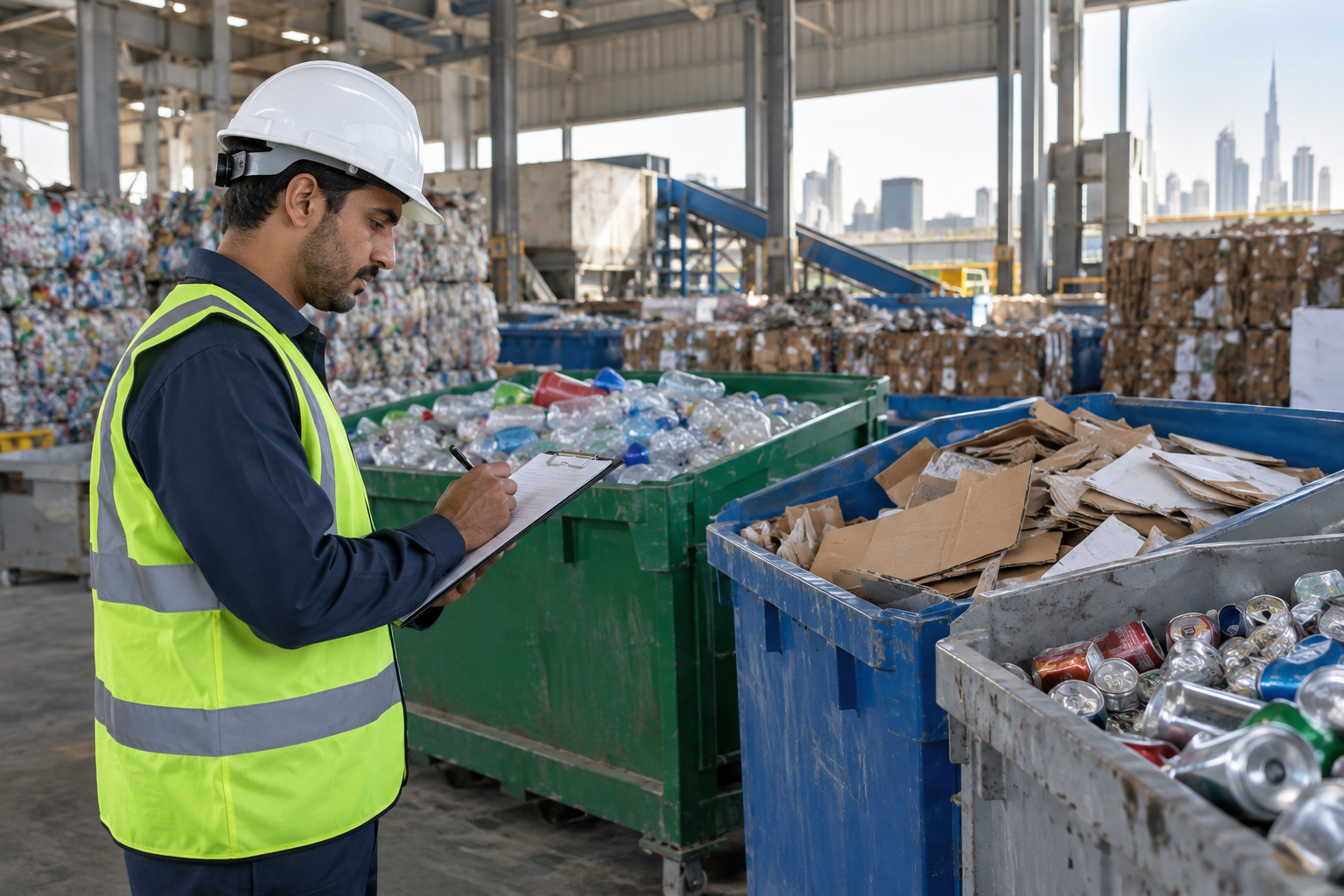
When implemented strategically, partnering with a professional recycling company in Dubai delivers measurable commercial advantages:
- Tender and Procurement Advantage: Large enterprises, government-linked entities, and multinational corporations increasingly embed Environmental, Social, and Governance (ESG) criteria into their procurement scorecards. Possessing verified disposal and recycling documentation provides a competitive differentiator when bidding for high-value tenders.
- Verifiable ESG and Audit Reporting: Official recycling and destruction certificates provide auditable metrics for corporate annual reports, sustainability disclosures, and stakeholder presentations, turning operational activities into verifiable ESG credentials.
- Operational Risk Reduction: Maintaining a closed-loop chain of custody for all discarded goods — from commercial scrap to obsolete assets — eliminates the uncertainty of where your company’s waste ultimately ends up.
- Enhanced Stakeholder Trust: Demonstrating clear environmental accountability fosters stronger trust with clients, investors, and employees who place high value on corporate integrity and sustainable business practices.
What “Doing It Right” Looks Like in Practice
Establishing a resilient, brand-protective waste management framework does not require complex internal infrastructure. In practice, responsible operations rely on three straightforward pillars:
- Partner with an Approved Specialist: Work with a recognized, Dubai Municipality-approved recycling and destruction partner equipped with specialized processing capabilities and verified operational standards.
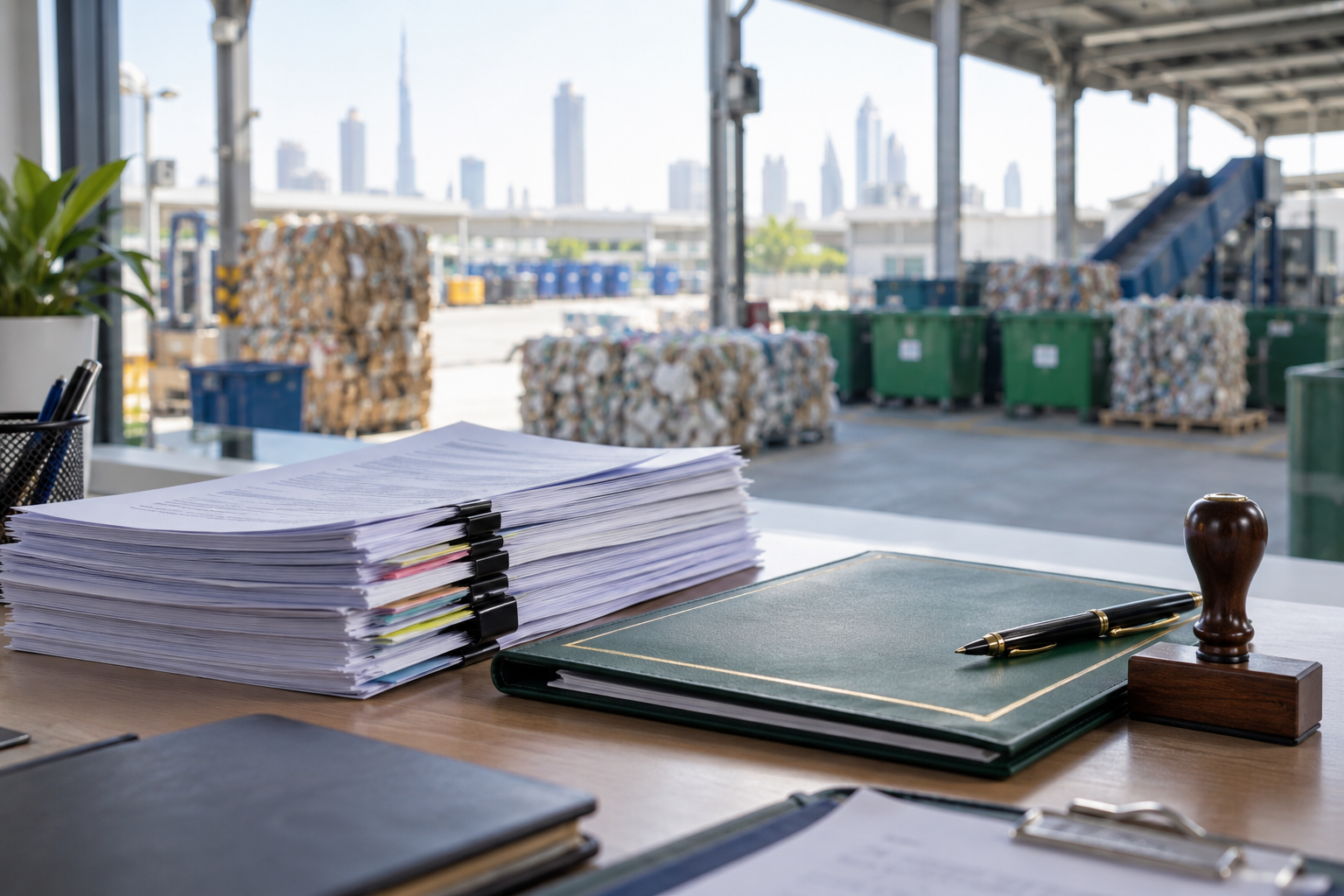
- Demand Verifiable Documentation: Require official, job-specific documentation — such as formal Recycling Certificates or Certificates of Destruction — for every collection, creating an uninterrupted, audit-ready paper trail.
- Standardize Internal Procedures: Establish clear internal guidelines across procurement, IT, and facility teams so that outdated assets, packaging waste, and confidential materials are routed directly into designated recovery workflows.
Turn Waste Management into a Strategic Advantage with Ecocleaner
Responsible waste management is not merely an operational necessity — it is an investment in your company’s reputation, client relationships, and commercial resilience. Based in Dubai Industrial City, Ecocleaner Recycling LLC is a Dubai Municipality-approved recycling and secure destruction company dedicated to supporting businesses across the UAE.
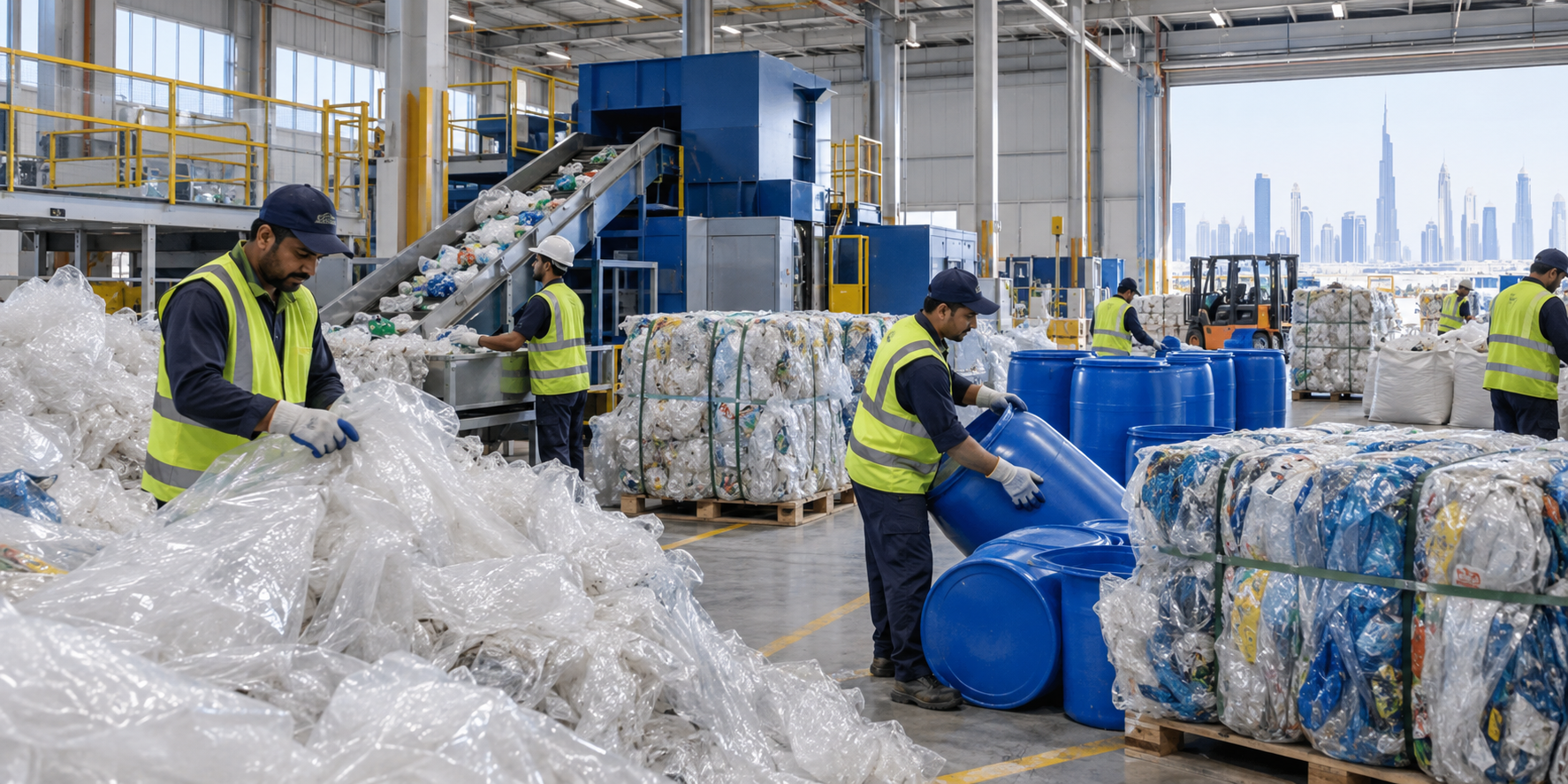
Our team works alongside commercial enterprises, distribution facilities, and corporate offices to replace informal waste practices with secure, auditable, and environmentally responsible disposal solutions. Contact our specialists today to discover how Ecocleaner can help your business turn daily waste management from an operational liability into a demonstrable corporate strength.