Across the UAE’s sprawling distribution centers, freight hubs, and transshipment terminals, heavy-duty strapping is an indispensable operational consumable. Every day, thousands of cargo pallets, shipping containers, and export crates are bound, secured, and dispatched using robust polymer banding. Yet once a consignment reaches its destination and the tension is released, this material is instantly transformed into discarded waste. Composite and PET strapping generated by logistics, warehousing, and industrial operations can be challenging to recover through conventional waste streams. Despite being manufactured from high-grade polymers, a significant portion of this post-industrial scrap is mishandled or channeled into mixed trash. Establishing dedicated processes for composite strap recycling and PET strap recycling is essential for modern supply chains seeking to eliminate hidden waste and build circular operational workflows.
What Is Composite and PET Strap?
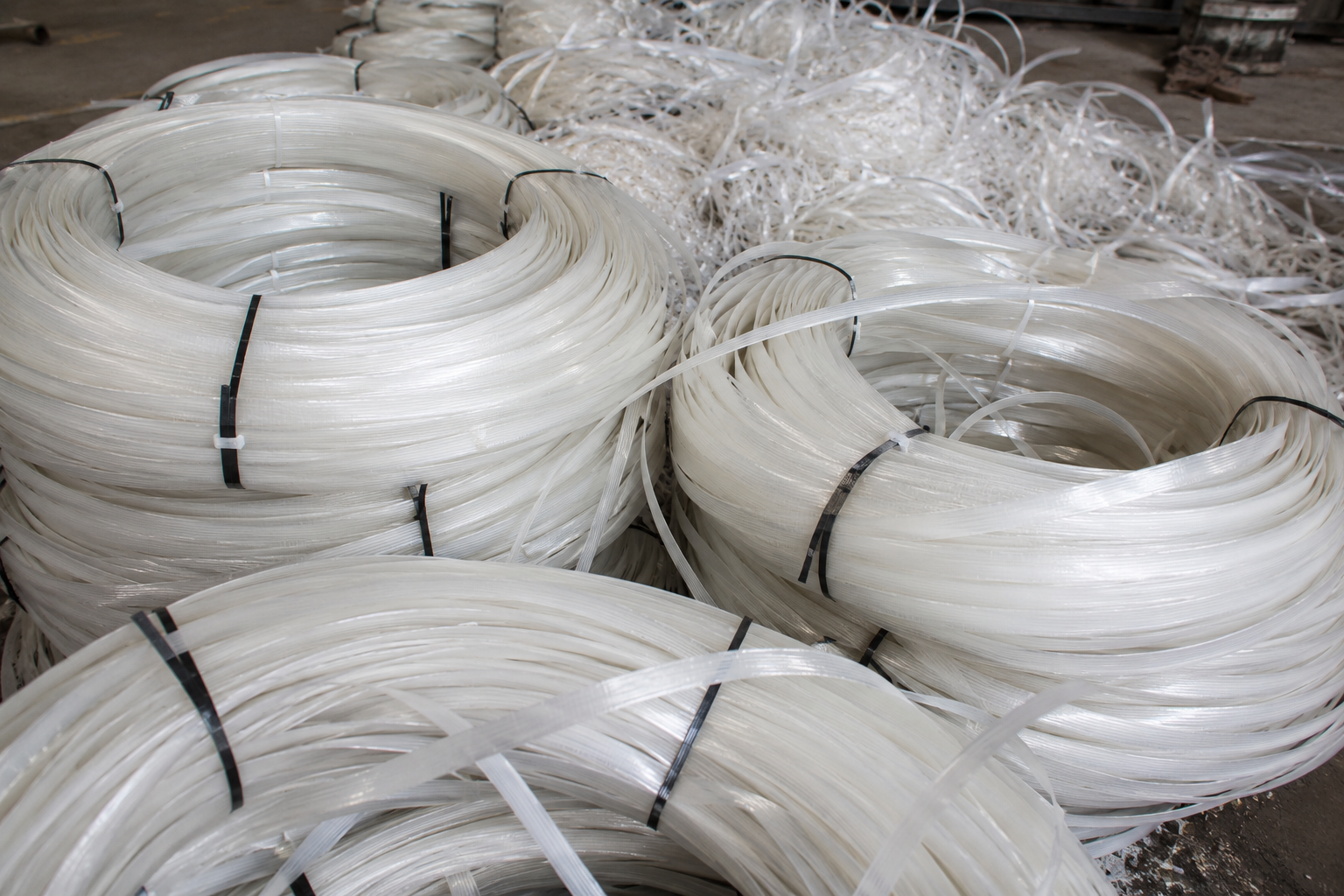
Polyethylene Terephthalate (PET) strapping and composite strapping are high-tensile plastic banding solutions designed to replace traditional steel banding in modern industrial logistics. PET strapping offers high retained tension and impact resistance, making it the standard choice for heavy, palletized industrial goods, construction materials, and commercial shipments. Composite strapping is manufactured from high-tenacity polyester yarns embedded within a durable polypropylene coating, providing exceptional flexibility and joint strength.
Both varieties are single-use securing mechanisms. Once sliced open during unboxing or pallet de-consolidation, the straps lose their structural integrity and cannot be re-tensioned. Because severed straps are flexible, lightweight, and often commingled with stretch film, cardboard, and wooden pallet debris, they are easily overlooked and treated as general packaging refuse rather than high-value recyclable polymers.
Why This Material Is Often Overlooked in Recycling
While standard materials like corrugated cardboard and clean polyethylene shrink wrap have well-established collection and recovery streams in commercial facilities, composite and PET banding are frequently neglected. General commercial waste handlers often lack the specialized shredding machinery and separation systems required to process rigid PET or the dense, multi-polymer matrix of composite strapping.
When mixed into general waste compactors, loose strapping can tangle around sorting machinery, jam mechanical conveyor belts, and complicate automated waste separation lines. Consequently, unsegregated strapping is routinely redirected to municipal landfills, resulting in the needless disposal of recoverable, high-strength industrial polymers that could otherwise be reprocessed into manufacturing feedstocks.
The Recycling Process, Step by Step for Composite and PET Strapping
Specialized industrial recyclers handle industrial strapping through a dedicated, systematic mechanical recovery process:
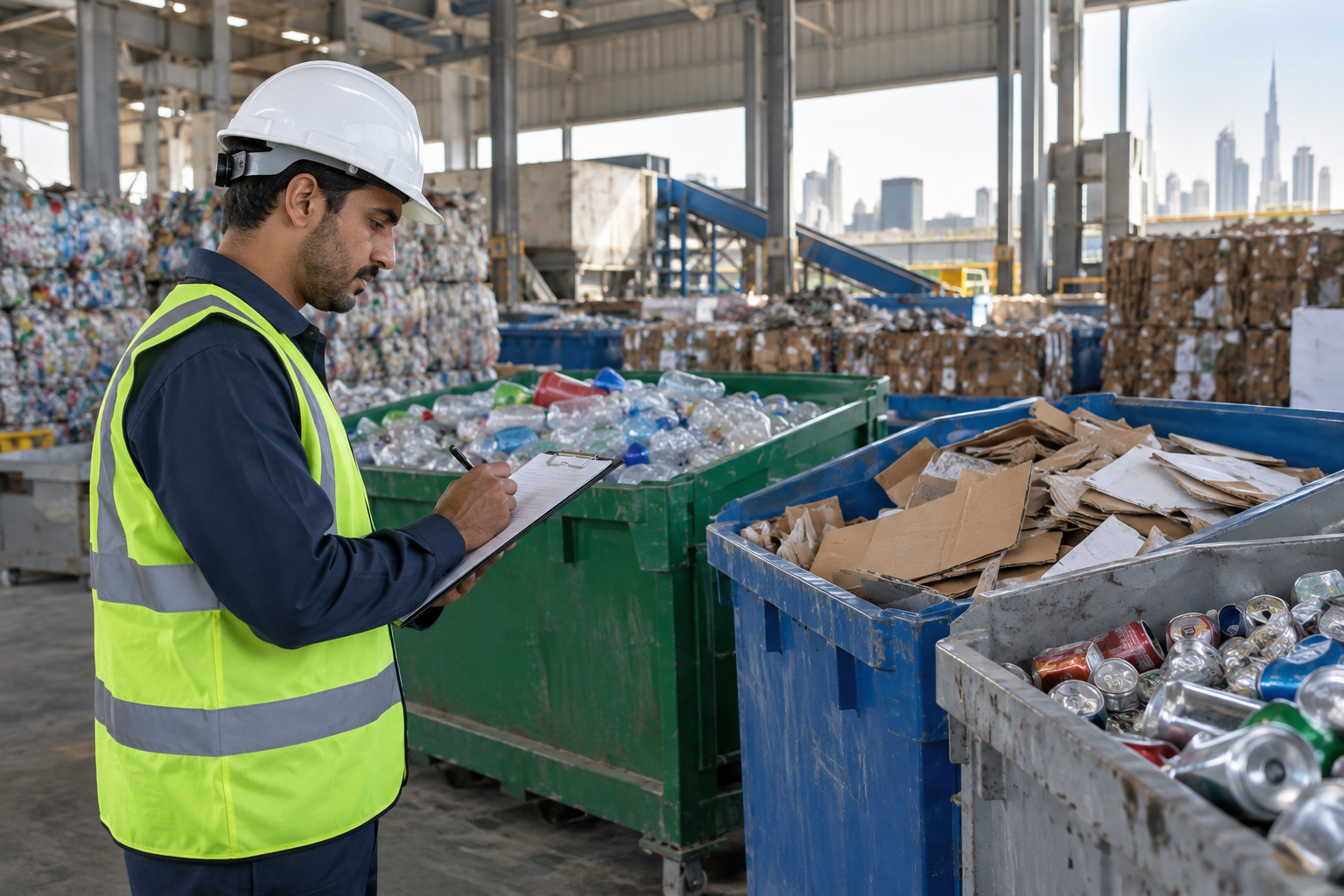
- Site Segregation and Collection: Logistics facilities and warehouses separate used PET and composite strapping from general refuse at the point of unpacking, placing severed straps into dedicated collection bins or bulk bags.
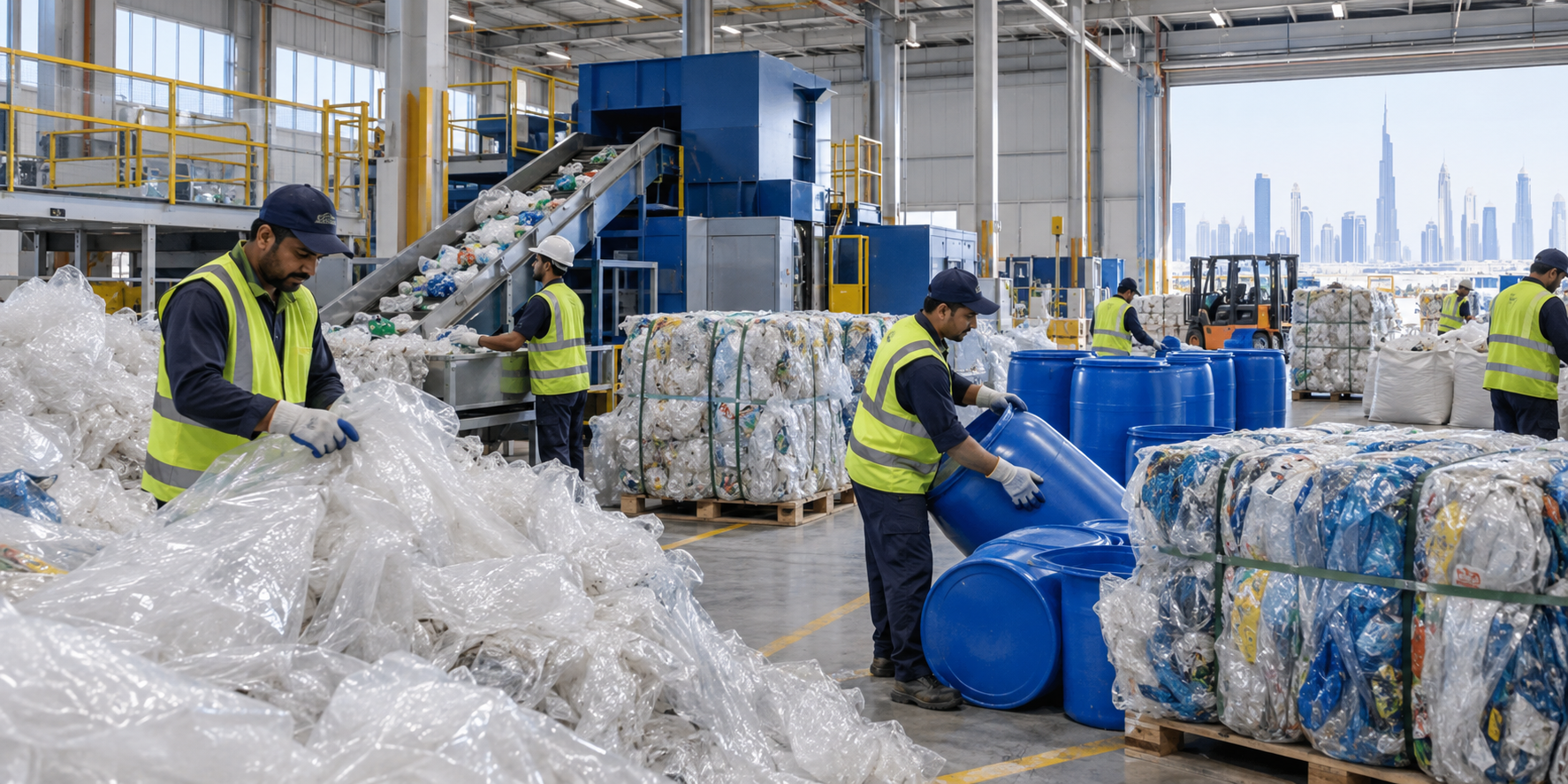
- Consolidation and Baling: The collected straps are transported to a licensed processing facility where they are compressed into high-density bales to optimize handling and transport efficiency.
- Industrial Granulation and Shredding: Specialized, heavy-duty industrial shredders reduce the rigid strapping into uniform flakes or regrind, handling the high tensile strength of the polymer strands without equipment fouling.
- Washing and Separation: The shredded material undergoes cleaning to remove surface contaminants, dust, adhesive residues, and warehouse grime.
- Extrusion and Material Recovery: The clean polymer regrind is processed into secondary plastic pellets or raw material flakes, which are subsequently re-introduced into manufacturing supply chains for non-food-grade packaging, strapping products, construction materials, and industrial components.
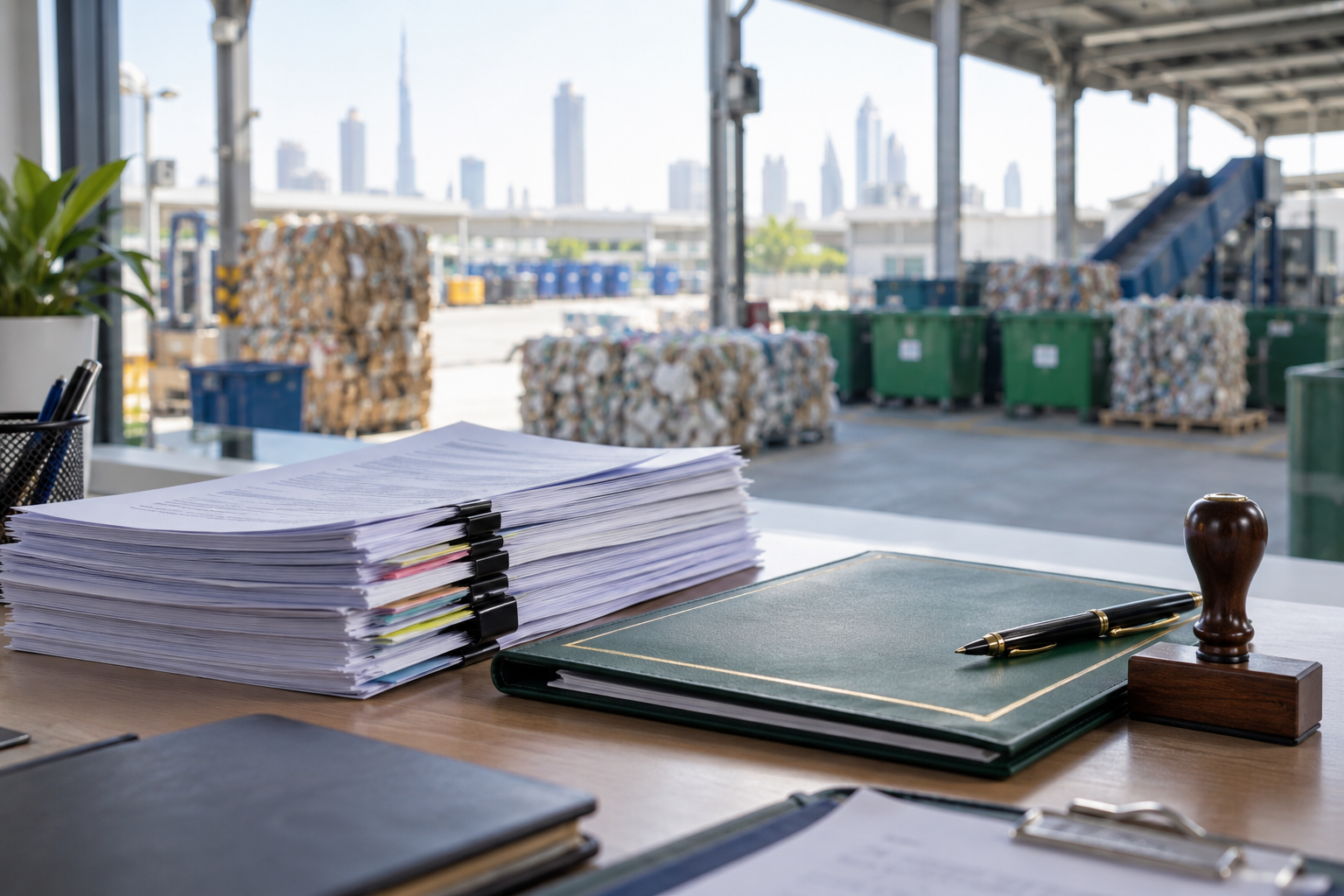
- Documentation and Compliance: The recycler issues formal recycling documentation and waste diversion certificates, providing logistics managers with auditable proof of material recovery.
Why This Matters for Dubai’s Logistics Sector
As a premier global re-export and trade hub, Dubai handles substantial volumes of containerized maritime freight, air cargo, and cross-border land transport daily. Industrial free zones, major ports, and commercial logistics corridors process tons of palletized cargo every single week, generating a substantial volume of spent packaging strapping.
For 3PL providers, freight forwarders, and distribution operators, implementing a reliable recycling program for strapping directly supports Environmental, Social, and Governance (ESG) initiatives, corporate waste reduction targets, and local environmental standards. Diverting dense industrial polymers away from municipal waste streams helps companies lower waste haulage expenses while generating verifiable landfill diversion metrics for corporate sustainability reporting.
Partner With Ecocleaner for Dedicated Strapping Recovery
Managing post-industrial packaging waste efficiently requires a knowledgeable environmental partner with the right processing infrastructure. Based in Dubai Industrial City, Ecocleaner Recycling LLC is a Dubai Municipality-approved recycling and secure destruction company and a specialist in processing packaging scrap, including composite and PET strapping. Our team works directly with logistics hubs, distribution centers, and freight operators across the UAE to set up structured, compliant on-site collection workflows and verifiable recycling services. Contact Ecocleaner today to establish an efficient strapping recycling program for your warehousing operations.